
Plastic waste is one of the most pressing environmental challenges facing Europe today. While mechanical recycling has been the standard solution for decades, its limitations are becoming increasingly evident. This is why chemical recycling is gaining attention as a forward-looking technology capable of addressing plastics that were previously considered unrecyclable.
Mechanical vs. chemical recycling: key differences
Mechanical recycling involves sorting, shredding, washing, and remelting plastics. It is best suited for clean, single-polymer waste streams such as PET bottles. However, each recycling cycle degrades the material quality, limiting how often it can be reused.
Chemical recycling, on the other hand, breaks plastics down into their basic chemical components or hydrocarbon mixtures. These outputs can be reused as raw materials to produce new polymers with virgin-like quality.
In short:
-
mechanical recycling = limited recycling cycles
-
chemical recycling = return to chemical feedstock
-
mechanical = requires clean, sorted waste
-
chemical = handles mixed and contaminated plastics
Mixed and contaminated plastics – Europe’s biggest challenge
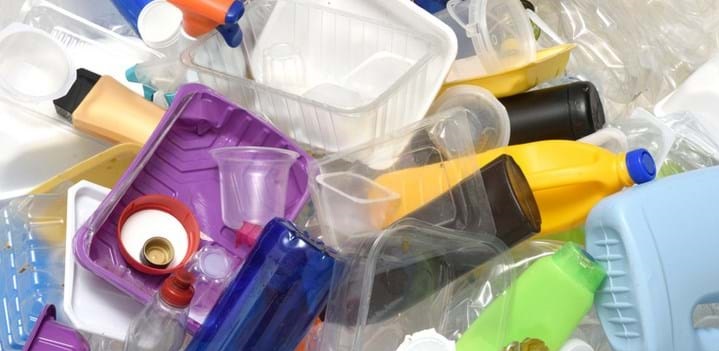
A large share of plastic waste in the EU consists of mixed packaging, technical plastics, and multilayer materials. These often contain:
-
multiple polymer types
-
food residues or chemical contaminants
-
dyes and additives
Such waste streams are unsuitable for mechanical recycling and often end up in landfills or incinerators. Chemical recycling provides a solution by enabling the recovery of value from plastics that would otherwise be discarded.
Chemical recycling in the circular economy
The goal of the circular economy is to keep materials in use for as long as possible. Chemical recycling supports this goal by:
-
returning plastic waste to the economy as valuable chemical feedstock
-
reducing dependence on fossil resources
-
minimizing non-recyclable waste
Modern chemical recycling technologies are designed with low emissions and no toxic residues, ensuring compliance with strict EU environmental standards.
Why chemical recycling is the future
Chemical recycling does not replace mechanical recycling—it complements it. Together, they form a comprehensive system that helps Europe meet its ambitious recycling and climate targets.
The future of plastic recycling lies in technologies that turn waste into opportunity—and chemical recycling is a key part of that future.