
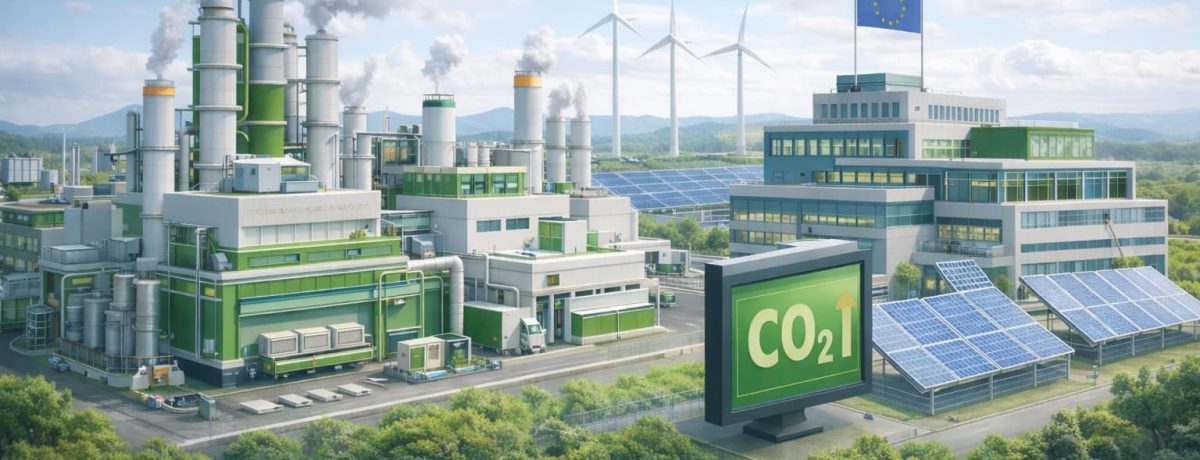
As environmental regulations across the European Union continue to tighten, the question is no longer whether waste is treated, but how it is treated. Modern chemical recycling technologies represent a significant step forward, enabling the reduction of emissions and the elimination of toxic residues—while supporting a truly sustainable waste management system.
Environmental risks of conventional plastic disposal
Traditional methods of plastic waste disposal, such as landfilling and incineration, pose serious environmental risks:
-
Landfills cause long-term soil and groundwater contamination
-
Incineration generates CO₂, nitrogen oxides, and potentially toxic by-products
-
Valuable material resources are permanently lost
These approaches conflict with EU objectives for emission reduction and circular economy development.
How modern technologies reduce environmental impact
Contemporary chemical recycling relies on controlled, advanced processes that:
-
operate under optimized temperatures and pressures
-
use closed-loop systems
-
significantly limit emissions to the atmosphere
Plastics are converted into hydrocarbon mixtures that can be reused as chemical feedstock for the petrochemical industry. This results in:
-
low emission footprints
-
no toxic solid residues
-
high process transparency and control
Such technologies comply with strict environmental standards and align with ESG requirements of industrial stakeholders.
The strategic importance of partnering with environmentally responsible companies
Sustainability today is not only an environmental issue—it is a strategic business priority. Partnering with technologically advanced and environmentally responsible companies provides:
-
stable and transparent supply chains
-
reduced regulatory and reputational risks
-
progress toward carbon neutrality targets
Organizations investing in modern recycling solutions gain long-term competitive advantages while contributing to the transformation of European industry.
Conclusion
Low-emission chemical recycling with zero toxic residues is a cornerstone of the future waste management ecosystem. It bridges environmental responsibility with industrial efficiency—creating a sustainable pathway forward for both industry and society.